A Minnesota DNR survey revealed that the number of small-game hunters in Minnesota in 2025 decreased by two percent from 2024 and was six percent below the 10-year average. Overall, 223,740 small game licenses were sold for the 2025-26 hunting seasons, compared to the 10-year average of 237,867 small game licenses. Ruffed grouse and ring-necked pheasant hunters had success rates similar to the 10-year averages, but duck and Canada goose hunters had success rates below the 10-year averages, according to the Minnesota DNR’s small game hunter mail survey.
The annual survey estimates the number of hunters, harvest, and hunter success rates for two dozen species. The survey asks small game license buyers whether they hunted, which species they hunted, how many days they spent hunting, and the amount harvested by species. Highlights of the 2025 results are included below.
80,339 state duck stamps were sold, which was down 2% from 2024 sales and 5.5% below the 10-year average. There were 51,563 hunters, 12% higher than the previous year but 15% below the 10-year average of 60,796. Overall harvest was 410,760 ducks, down 34% from the 10-year average of 619,010 ducks. Hunter success was 80%, and successful hunters bagged 10 ducks on average, compared to the 10-year averages of 85% and 12.1 ducks.
There were 29,679 hunters in 2025, which was 25% below the 10-year average of 39,434 hunters. An estimated 93,733 geese were harvested, 55% below the 10-year average of 209,758 geese. Hunter success was 66% and successful hunters bagged 4.8 geese on average, compared to the 10-year averages of 75% and 6.8 geese.
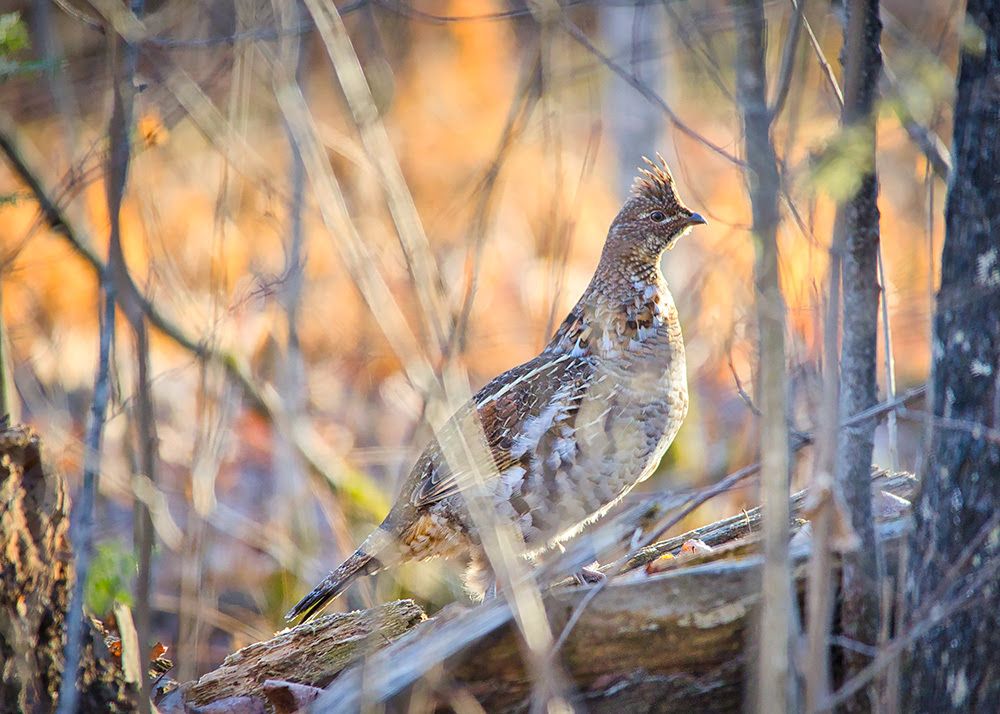
An estimated 66,353 hunters pursued grouse in 2025, which was 5% below the 10-year average of 69,892 hunters. They harvested 235,831 grouse, a 10% decrease compared to the 10-year average. Hunter success was 70%, matching the 10-year average. Successful hunters bagged 5.1 grouse each, which was similar to the 10-year average of 5.3 birds per hunter.
75,784 pheasant stamps were sold in 2025, which was 1.8% fewer than in 2024 but similar to the 10-year average of 76,246 stamps. An estimated 58,358 hunters went afield, 10% above the 10-year average of 53,266. Approximately 228,337 roosters were harvested, which was 9% more than the 10-year average of 209,146 roosters. Hunter success was 72%, which was similar to the 10-year average of 70%, but mean harvest was 5.4 roosters, which was slightly below the 10-year average of 5.7 roosters.
In recent years, duck and pheasant stamp sales have been quite a bit higher than the number of hunters pursuing these species, which could reflect that those with a hunting tradition curtailed their hunting but continue to support conservation efforts by buying stamps. The complete small game hunter survey report is on the DNR website.