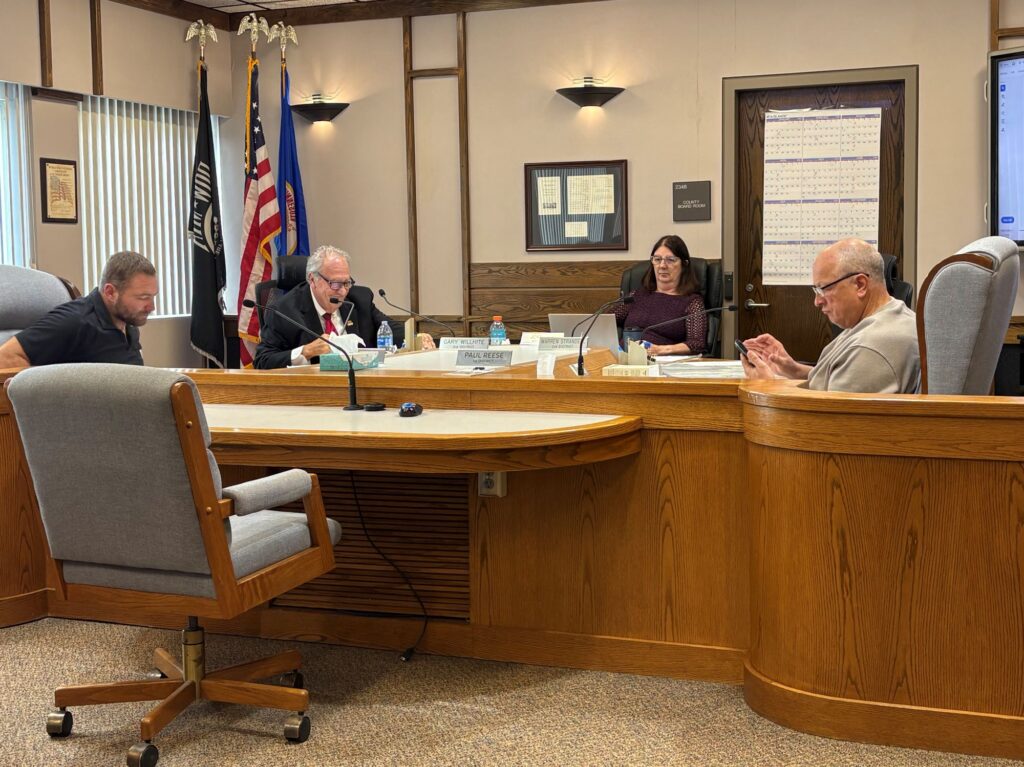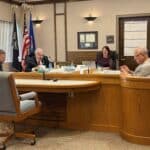
The Polk County Board of Commissioners met on Tuesday to set the 2027 preliminary levy and hear updates from other county departments.
PRELIMINARY LEVY
Following budget discussions at the September 14 and 15 meetings, Polk County Administrator Chuck Whiting brought a resolution before the board, which would set the 2027 preliminary levy at $30,711,637, a 5 percent increase from the 2026 levy, and schedule the 2027 budget public hearing for Tuesday, December 1, at 6:00 p.m. in the boardroom at the Polk County Government Center. Whiting once again thanked the commissioners and department heads for their hard work during budget discussions last week and knows that there is work to be done to get the 2027 levy down to around 3.5 to 4 percent with the final budget in December. “This is a requirement that counties, cities, and townships all have setting a preliminary levy for the tax statements that’ll go out as part of the notice for the public hearing on the budget. That usually sets the upper limit as to what property taxes can increase. Myself, staff, and the board will be working now into the end of November, trying to get the budget put together and fit within those parameters.”
The board also discussed Wilkin County’s request to buy into the West Central Regional Water District, which currently includes Polk, Norman, and Clay counties. The WCRWD proposed two options for Wilkin County’s buy-in amount. The first option would be $150,000 to cover the expenses needed to bring the county into the district, and the second option would add $70,159 to that total, which would have been Wilkin County’s share if it had joined the district when the other three counties formed it. The board’s consensus was to go with Option B, as they felt it was fair to have Wilkin County share in the costs that they had to pay when forming the district. “Wilkin joins the group on the south side of Clay County. Very similar circumstances as the other three counties, so they should be a good member. It’s just deciding what do they pay to get in? Some of that is do they share in the embedded costs that have already been addressed? Is there something over and above that, and there is some legal and engineering work just to modify the district to include them. So the discussion was what option among those two that were presented would be the board’s position.”
Commissioners Warren Strandell and Paul Reese are the county representatives for the district and will meet with the other district members at a meeting on Monday, September 28, to make a decision on Wilkin County’s buy-in cost.
STATE REVENUE SHARING FOR REGISTRAR OFFICES
Director of Public Records Sam Melbye introduced a resolution to the board supporting a revenue-sharing fund with the State of Minnesota to sustain deputy registrar offices. Melbye explained that local registrar offices collect revenue from filing fees for in-person motor vehicle-related transactions, but the Department of Public Safety exclusively collects revenue from filing fees for services completed online or by mail. The increased costs of operating these sites put pressure on local and county governments to help fund them through levies. Deputy registrar offices across the state are coming together to lobby the 2027 State Legislature to create a permanent revenue-sharing fund that would collect half of online and in-mail filing fees and allocate them to deputy registrar offices quarterly. The county board gave its unanimous support to this resolution, which pleased Melbye. “It means a lot to get the support. The county residents support our office. They support the offices in East Grand Forks and in Fosston. These are local dollars that are going down to the state that we would like to see a little bit bigger piece stay here because this is where a lot of the work is done, and like I said, where all the money is coming from.”
PUBLIC HEALTH UPDATES
Polk County Public Health Director Sarah Reese provided some updates to the board, including the celebration of Polk County Public Health’s 95th anniversary. The department began as Polk County Nursing Services in September 1931 and has continued to prevent illness, promote wellness, prepare for emergencies, and support the health and well-being of individuals and families throughout Polk County.
Second, Reese asked the board to approve a new total amount of Opioid Settlement Funds for the 2027 budget from $275,000 to $300,000. She explained that in July, additional funds were received for the fund, and following a review by the Opioid Settlement Advisory Board, it was recommended to do the $25,000 increase for the 2027 calendar year. The board approved the new total amount. This decision comes as the request for proposal (RFP) period for 2027 funding ends next week, so Reese recommends that any entities interested in applying for opioid settlement funding should submit their requests before the deadline. “Our Polk County Settlement Advisory Council made the recommendation, along with Public Health, back in July to the board to allocate $275,000 from that dedicated fund for our calendar year 2027 funding that will be available to community partners. At that meeting, we did discuss the sporadic nature of how the opioid settlement fund payments come in, and so we did acknowledge that if additional funding was received, that we would come back to the board and make a recommendation for additional funds. We did receive some additional funds, and the board did approve today an additional $25,000.”
Once the RFP period is over, all requests will be reviewed by the advisory board before it is brought to the county board for final approval.
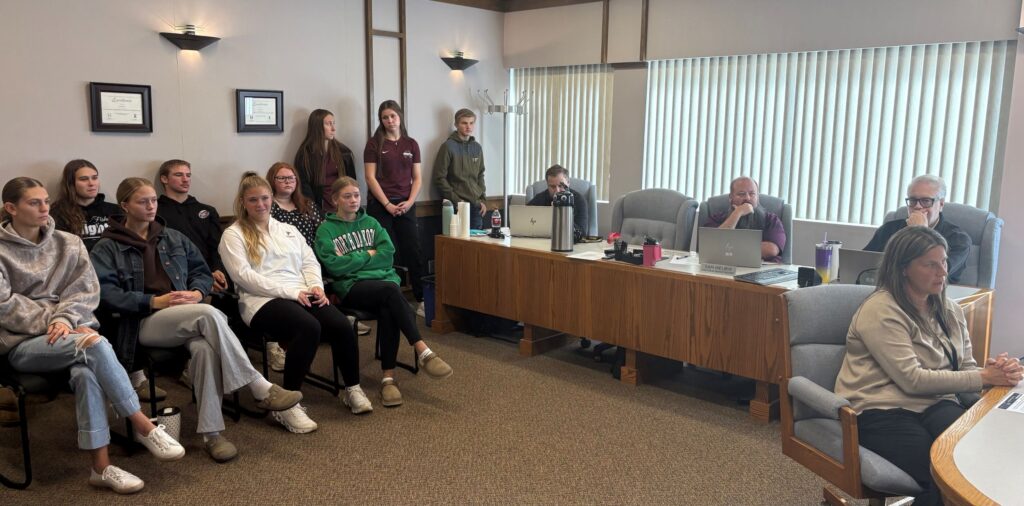
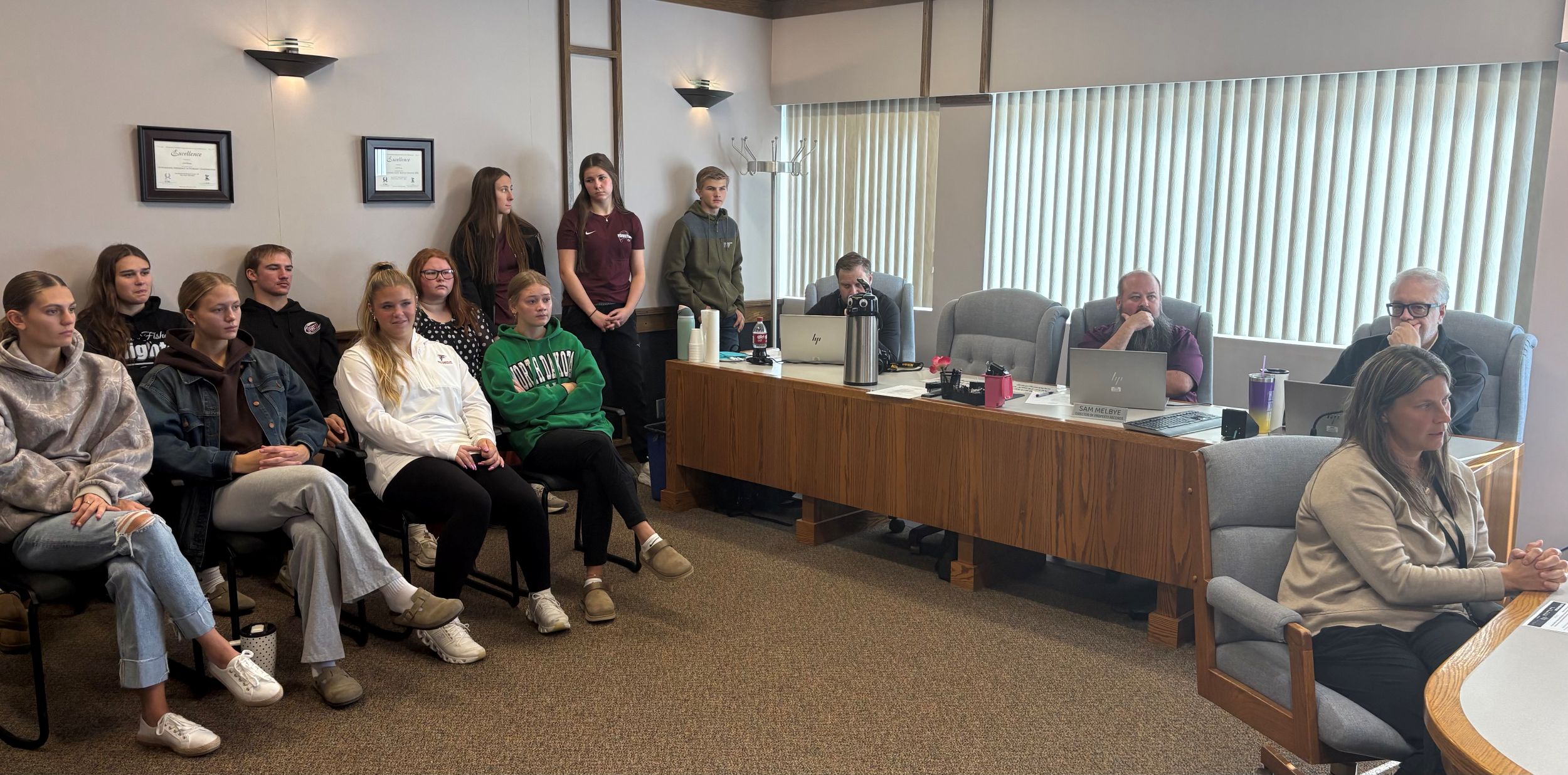
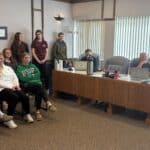
Finally, Reese was joined at the meeting by members of the Youth Advisory Board, a group of students representing high schools across Polk County, to discuss the county’s tobacco ordinance. Reese told the board that the last amendment to the ordinance was made in 1998, and with the changes in consumer habits and new technology like vaporizers, it was time for an update. Most of the changes to the ordinance reflect state and federal policies but also include limiting the number of tobacco retail licenses in the county, restricting the sale of flavored tobacco products, and establishing minimum distances from schools and other youth-oriented events. Several members of the Youth Advisory Board shared that they have spoken to their classmates, and many of them agree that vaping and tobacco use are problems facing children and teenagers. Reese argued that these updates will help keep children safe from the dangers of tobacco use. “The first and foremost thing that we need to accomplish is that we need to update all of the language. There’s various state and federal compliance matters that we need to update because of new products, new legislation that has taken place, and so we’re in a position where we’re ready to update all of that information. In addition, we started a conversation around recommended updates related to evidence-based public health practices. So there’s a variety of different things that the board can consider, and we are particularly looking at that from a youth access initiation and the addictive nature of nicotine perspective.”
The next Polk County Board of Commissioners meeting will be held on Tuesday, October 6, at 8:00 a.m. in the boardroom at the Polk County Government Center.