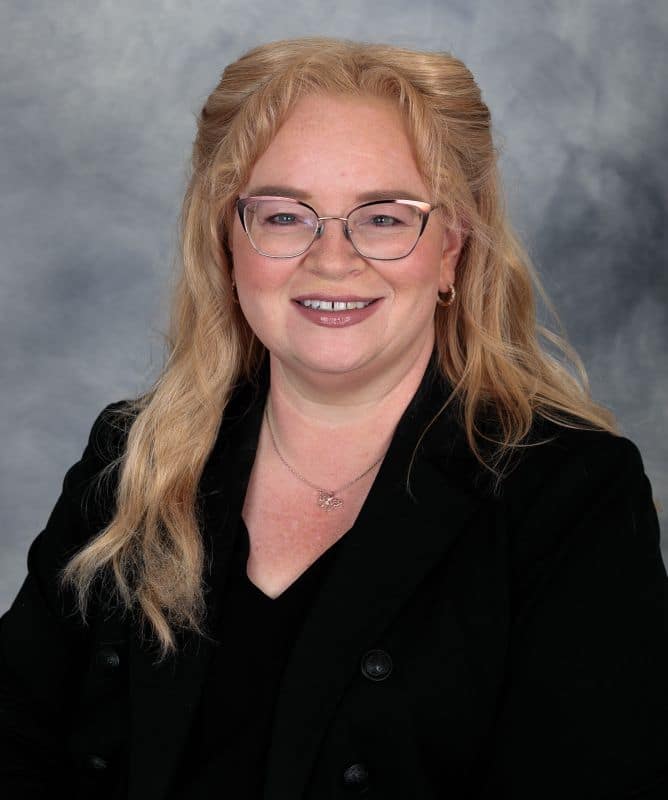
Students returned to school for the first time since March on Tuesday in a much different fashion then years past as the students and staffed donned masks and had their temperatures checked before entering the building. Those weren’t the only things that were atypical about the first day of school, however, as the temperature was just 36˚ Tuesday morning as students arrived at school, making it feel more like the beginning of cold and flu season then the waning days of summer.
The common cold and flu share several similar symptoms with the ongoing COVID-19 pandemic. The Minnesota Department of Health has split those symptoms into the more common symptoms of COVID-19 such as a fever of 100.4˚F or more, new and/or worsening cough, difficulty breathing, and new loss of taste or smell. The similar symptoms less commonly associated with COVID-19 include sore throat, nausea, vomiting, diarrhea, chills, muscle pain, excessive fatigue, new severe headaches, and new nasal congestion or runny nose.
The more common and less common symptom lists are what will be used to help parents determine what level of care they should seek and provide guidance on whether students should attend school explains Crookston Superintendent Jeremy Olson. “The reason they differentiate those terms – less common and more common – is trying to articulate out whether your child has a common cold or allergies compared to symptoms aligned closely with COVID-19,” said Olson. “The difference between more common or less common was done to differentiate to parents does your kid just need to stay home for 24 hours as opposed to does your kid need to be quarantined. Trying to differentiate that is important. One of the difficulties of COVID-19 is articulating what are those normal cold-like or allergy symptoms and what is truly something we need to be very concerned about.”
Parents of students experiencing even one of the more common symptoms will be asked to keep their kids at home for at least 10 days and not return them to school until symptoms have improved and they’ve been fever-free for 24 hours according to Olson. “If one of those things happen,” said Olson. “If one of those things are checked, you basically need to have your student stay home and isolate for 10 days from the time symptoms started until symptoms improve and have no fever for 24 hours. Those are the more common symptoms you need to be more worried about.”
Olson said students with just one less common symptom can return to school once 24 hours have passed since symptoms improved, however, students with two or more symptoms must also stay home for at 10 days. “If you have two of the less common symptoms, that’s a pathway one, so you have to stay home and isolate for 10 days,” said Olson. “The siblings and household contacts must stay home and quarantine from all activities for 14 days. If you only have one less common symptom then you go to pathway two and you stay home until 24 hours after symptoms have improved. In that case, pathway two, siblings, or household contacts do not need to stay home or quarantine.”
Students who have two or more of the less common symptoms or one of the more common symptoms that take a COVID-19 test from a health care provider and receive a negative result are able to return to school 24 hours after symptoms have improved. Olson said the key to the district navigating COVID-19 will be communication between the district and its families. “This is where parent communication with the school is so crucial,” said Olson. “If there is a positive case, immediately your first call should be to your building principal. When that call comes in, we’re going to immediately look at where are the siblings at just so that we’re aware of that. The building principal, once they hear of a positive case for a student or staff member will call our school nurse. The nurse will implement the plan to get Polk County Public Health (PCPH) on board to come into the school and start doing contract tracing. Anyone that is a direct contact will be notified and all of those people will have to be quarantined.”
After notifying the school nurse, Olson said principals will call him, and he’ll start working with the Minnesota Department of Health to work on the reporting side of things. Olson said once he’s gotten an update from PCPH and knows where things are at, he’ll be notifying all the parents in the school. “Once there is a case confirmed in any of the buildings and I know more information, where everything is at, I’ll be making a notification to all the parents and staff of whatever building the positive case is in,” said Olson. “It’s simply going to be a case in which school. I won’t be giving the grade level or other identifiable information. It’s just a notice there is a case within x school to protect confidentiality. But I also feel like we have a duty to let our parents know what is happening, so this is the compromise or whatever you want to call it. We’re going to give parents a notification but we’re not going to give any identifying information.”
Olson said the decision on quarantining individual students, entire classrooms, or other measures following a positive case of COVID-19 will be solely based on the recommendations of Polk County Public Health. “We are looking at them as very valuable partners in this,” said Olson. “They are the experts. They know what questions to ask. The school is going to follow their recommendation, so if they come and say we need to quarantine this classroom or these 15 people, we’re going to proceed according to that. This is not the time for the superintendent to make stuff up. This is really about listening to our health experts and taking their recommendation for the safety of all.”
 Loading...

 Reload document
  Open in new tab