Hormones play a powerful role in how you feel every day—affecting your energy, mood, sleep, metabolism, and overall health. When something feels “off,” it’s not in your head—and it’s not something you have to simply accept.
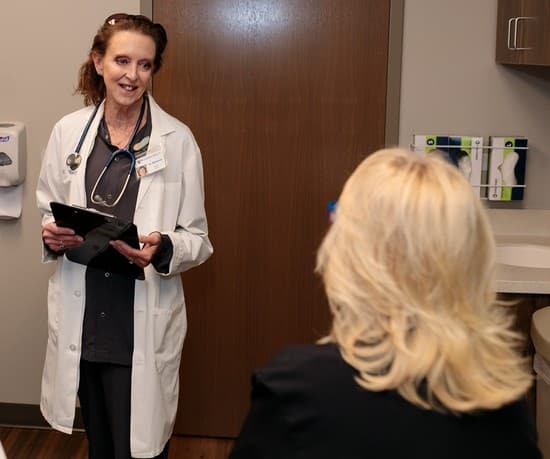
At RiverView Health, Dr. Kari Wessman is passionate about helping women feel their best. Many patients visit her practice in Crookston and East Grand Forks seeking relief from symptoms that may be related to hormone changes. Rather than taking a one-size-fits-all, quick-fix approach, Dr. Wessman focuses on identifying the root cause and providing evidence-based, individualized care.
When appropriate, treatment may include hormone replacement therapy (HRT)—a well-studied medical option used to safely and effectively relieve symptoms related to hormone changes.
FINDING THE RIGHT HORMONAL BALANCE
Hormones are your body’s chemical messengers. Produced by the endocrine system, they travel through the bloodstream and help regulate key functions like metabolism, mood, sleep, reproduction, and stress.
When hormones are in balance, your body functions smoothly. When they fluctuate—especially during life stages like perimenopause and menopause—symptoms can develop, including hot flashes, night sweats, sleep disruption, mood changes, and vaginal dryness.
According to Dr. Wessman, unwanted symptoms for many women start as they enter perimenopause—the transition stage leading up to menopause when ovaries begin producing fewer hormones like estrogen and progesterone.
“Perimenopause is a very dynamic time in someone’s life,’’ she shared. “There’s a lot of hormone fluctuation during this time. What might help your symptoms to start with, may not help six months down the road.
“And then there’s menopause, which every woman will go through, usually somewhere around age 51. It’s a natural part of aging.’’
While menopause most often occurs naturally with age, it can also happen in other ways:
- Surgical menopause: Removal of the ovaries (oophorectomy) causes immediate menopause.
- Cancer treatments: Chemotherapy or pelvic radiation can damage the ovaries and stop hormone production.
- Primary ovarian insufficiency: When the ovaries stop working before age 40.
- Certain medical conditions or treatments: Including autoimmune or genetic conditions that affect hormone function.
In all cases, menopause occurs due to a decline in hormone production.
Because many conditions can cause hormone fluctuations—and treatments vary—where you receive care matters.
“It’s vital to see a medical provider to determine the cause of your symptoms,’’ Dr. Wessman stated. “You want to rule out health issues that could be serious if not treated appropriately. There are many reasons beyond menopause that someone might be having symptoms. It’s important to figure out what the cause of the symptoms is to get the right treatment.’’
WHAT IS HORMONE REPLACEMENT THERAPY?
For many women, HRT can ease unwanted symptoms. HRT is a medical treatment that replaces hormones your body is no longer producing in adequate amounts. Most commonly, it involves estrogen and sometimes progesterone for women. The goal is to relieve symptoms and, in some cases, help protect long-term health—such as maintaining bone density and reducing the risk of Osteoporosis.
Types of HRT may include:
- Estrogen-only therapy (typically for women without a uterus)
- Combined estrogen and progesterone therapy (to protect the uterus)
- Low-dose vaginal estrogen (for localized vaginal and urinary symptoms)
- Bioidentical hormones, which are chemically similar to those your body produces (when prescribed and regulated appropriately)
HRT can be delivered in several forms, including pills, patches, gels, creams, and vaginal preparations.
Like any medical treatment, HRT carries potential risks. However, research has shown that HRT is less risky than once believed for many women—especially when started at the appropriate time and tailored to the individual. For appropriate candidates, it is considered a safe, effective, and sometimes life-changing treatment for menopause symptoms, supported by current medical guidelines.
“Guidelines are much more generous as for who and how long someone can be on HRT now,’’ Dr. Wessman reported. “Products are much better than years ago and we feel much more confident allowing women to be on hormones for symptom relief for longer periods of time and with different alternative dosing.’’
HORMONE REPLACEMENT THERAPY DONE RIGHT
Before recommending HRT, Dr. Wessman performs a thorough evaluation to determine the cause of the symptoms.
“There’s important testing that needs to be done,’’ she stated. “First, we need to find out if there is a hormone deficiency and what it’s related to. Symptoms like fatigue, weight changes, or mood shifts can have multiple causes—from perimenopause to thyroid disease to mental health conditions—and require proper diagnosis. We want to make sure we are replacing the right type of hormones.’’
A physical exam, blood work, review of personal and family history, breast health, and cardiovascular risk are all included in determining the right course of care. If HRT is appropriate, treatment is carefully tailored to the individual and monitored, with adjustments as needed. Follow-up care is completed to determine if HRT continues to benefit the patient, and Dr. Wessman also stresses the importance of regular screenings, such as mammograms and pelvic exams, to ensure optimal health.
A SAFE, MEDICAL APPROACH MATTERS
HRT is considered one of the most effective treatments for menopause management. It brings symptom relief to many, but Dr. Wessman stresses the need for safety protocols when dealing with hormone therapy.
“There is no magic bullet,” she said. “Be cautious of anyone promising to make you feel 20 years old again overnight and telling you you’ll be out running marathons.
“Hormones can provide meaningful symptom relief, but they need to be used appropriately and monitored by a qualified medical provider.”
If you are experiencing symptoms that may be hormone-related, start by talking with your primary care provider or schedule an appointment with Dr. Wessman at RiverView Health by calling (218) 281-9595.