September is National Recovery Month and an opportune time to spread the message that chemical dependency treatment is effective and people can recover over a decade since Glenmore Recovery Center was restructured to outpatient services under RiverView Recovery Center (RRC). The high-caliber clinical care programs at RRC allow clients to work on recovery while maintaining commitments to work, family, and home.
According to the Centers for Disease Control and Prevention (CDC), in 2020, 40.3 million people aged 12 or older in the United States (14.5% of this population) reportedly had a substance use disorder (SUD).
Alcohol use disorder is the most common form of SUD in America. Excessive alcohol use is responsible for more than 140,000 deaths in the United States each year, and it shortens the lives of those who die by an average of 26 years.
Because it affects the brain’s normal functions, an SUD compels someone to repeatedly use substances or engage in behaviors even though they have harmful consequences. Addictions can destroy marriages, friendships, and careers and threaten a person’s health and safety. Addiction is a chronic mental health condition.
Fortunately, RRC offers support and education from trained, licensed counselors. Clients learn about the disease of Addiction, who is vulnerable to becoming addicted, and why.
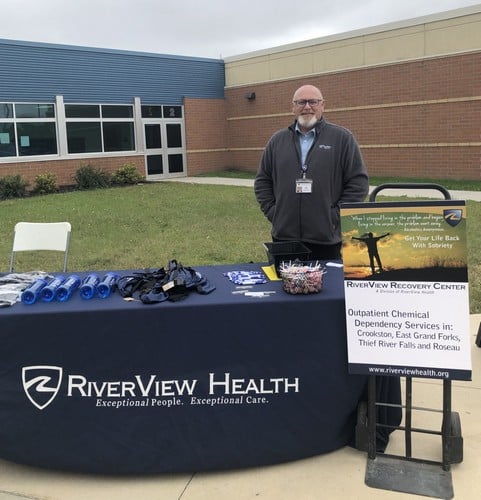
Outpatient services are offered at RRC locations in Crookston, East Grand Forks, Roseau, and Thief River Falls. Telehealth services became an option during the COVID-19 pandemic and remain an offering today, according to Curtis Hamre, RRC director.
RRC offers the following services-
-Comprehensive Assessment (Chemical Health Evaluation/Rule 25): A chemical health evaluation must be completed for all persons seeking treatment.
– Individual Sessions: Provided for individuals who have completed treatment and are struggling with thoughts of using.
– Structured Outpatient: Available to individuals who need transition services in the continuum of care from inpatient services or individuals who meet the criteria/need for a lower level of outpatient services.
– Relapse prevention: This service includes one individual session per week and regular urinalysis tests for individuals who have completed treatment, inpatient or intensive outpatient, in the last three years and are struggling with Addiction. Relapse prevention is intended for individuals who are not using daily but want to stop the cycle.
-Intensive Outpatient: Includes group meetings three times per week, one weekly individual session, and regular urinalysis tests for individuals struggling with Addiction who do not meet residential treatment criteria.
– Driving with Care, Level 1: For the first time, driving while intoxicated (DWI) offender with a blood alcohol level of less than .15 at the time of arrest. New classes begin quarterly.
-Driving with Care, Level 2: For the first-time DWI offender with a blood alcohol level of more than .15 at the time of arrest or multiple DWI offenses. New classes begin quarterly.
– 10-hour Alcohol and Other Drugs (AOD) Education: Developed for the client who is not a DWI/DUI (driving under the influence) offender and does not need treatment. This class is for a client who had a positive urinalysis at work or a drinking-related offense who needs education about AOD.
For more information on these services, call RiverView Recovery Center at 281.9511 or see service availability at https://www.riverviewhealth.org/services/chemical-dependency/.